

 Overcharging by mobile networks to call non-geographic numbers has been allowed to carry on for over a decade. Many millions of pounds have been spent by mobile networks, fighting attempts from Ofcom to address this issue, leaving the market confused, and the consumer baffled, out of pocket and generally unable to decipher how much they will pay to call any given 08 or 09 number from any variety of communications providers and a plethora of call tariffs.
Those in the industry know the cost to terminate a call from one network to another. A mobile network will incur a cost to deliver a call made from a mobile to a landline number and add a margin.
It is therefore reasonable to conclude that a fair mobile access levy could be cost plus 100 per cent, allowing the mobile network to benefit from revenue generated by 08 and 09 call traffic. This access levy could be added as a surcharge to the bill of the organisation publishing the number – hey presto, we have a workable framework. How can the mobile networks not agree to that?
Numbering Framework
This needs tidying up. Currently our numbering framework consists of:
01 and 02 prefix numbers – Landline numbers
080 numbers – Free to call some of the time, extortionate to call from a mobile
0845 numbers – these used to be the cost of a BT local call, but today its anyone’s guess what they cost to call and from where
0844 numbers – these can cost anything from 0.5p per minute to 5p per minute to call if you’re ringing from a landline, or any amount above that from a mobile, but the only way to know what the price is going to be is to download the entire numbering code scheme from Ofcoms website and trawl through all the pricing variations published there. And even if you do this, it still doesn’t make sense!
0870 & 03XX – Now mandated to be charged at the same rate as calls to 01 & 02 numbers, yet there is no policing of this and many offenders hide variable charges.
Currently on the table from Ofcom is a proposal which offers us the following:
a) Split up the charging mechanism so that calls to NGN’s have an access charge (retained by the network from which a call is made) and connection charge, which would be paid to the host network supplying the 08 number by the network from which the call has been placed, both of these charges being levied to the caller on their bill.
b) Mandating that free-to-call numbers are free to call regardless of the network on which the caller places the call.
c) Ending revenue share on 0845 numbers (although this has all but disappeared anyway), in the same way that 0870 was dismantled in 2009, forcing many businesses to change their contact numbering yet again.
In all of the above, Ofcom has failed to address the critical factor – price transparency. If Ofcom goes ahead with implementing this proposal, the caller will still not know what the cost of the call will be before making it, and there will still be no control over the level of ‘access charge’ a mobile network may make to connect that call. Not only does this weak proposal fail to address the fundamental issues, but were it to be implemented, it would create an enormous billing headache for all communication providers.
I believe we have the right to expect better, or at least for there to be a real appreciation of, and some genuine communication with, those in the industry. The numbering scheme has the potential to greatly impact on how businesses interact with their customers to deliver positive experiences. I would like to propose a new solution to this problem.
The solution
Clearly, when making changes to a numbering scheme, you need to do so with a long term view, as change is both expensive and time-consuming. Therefore this solution has the long game in mind. I believe the key things that the numbering scheme needs to achieve are:
- Price Transparency
- Be easy to understand
- Offer publishers a wide range of tariffs to apply to the call
- That all free to call numbers are always free to call
- That the caller is actually charged the per minute rate intended for the numbering band
- That any network surcharges are met by the publisher of the number and not by the caller
- That sufficient quantity of number ranges are made available to meet long term demand
Price transparency – This is very easily addressed. Each number could be coded to denote the price of the call per minute; for example 083 would be 3p per minute; 087 7p per minute all the way up to the most expensive at 09150 which would be 150p per minute 

Easy to understand – This is so clear and easy to understand that I cannot see any reason why the publisher of a number would need to state the price of a call or announce it at the start of a call.
Wider range of tariffs – The above structure increases the number of tariffs available to the publisher, meaning they are able to follow a numbering strategy that is appropriate for the service they are providing.
That all free to call numbers are always free to call – For this to work, there must be a reverse charging mechanism, whereby the network on which a call is placed is paid a levy for connecting the call and these fees are paid at carrier to carrier interconnect level as part of the interconnect charging mechanism. This does not ‘guarantee’ a free call, as the mobile networks could continue to charge for free calls, however it does take away the argument they have for imposing additional charges and one would hope that continuing to charge in the face of such a change would either be addressed by a ‘fairplay’ change of heart, or much easier for Ofcom to pass into law so that surcharging would be illegal.
That the caller is actually charged the per minute rate intended for the numbering band – This is covered by the same reverse charging mechanism as an originating network access levy paid out via the interconnect revenue mechanism.
That any network surcharges are met by the publisher of the number and not by the caller – The publisher has a wide range of price bands to choose from so is able to decide freely which numbering band suits their business drivers, in the full knowledge that the caller will absolutely know, prior to making the call, what the call is costing them. They will either choose to subsidize that call, break even or earn revenue, depending on their individual business drivers in order to meet and manage the expectations and demands of their respective customers and compete in their market place.
That sufficient quantity of number ranges are made available to meet long term demand – Currently the most commonly used numbers are almost exhausted, 0844 charging bands now also include 0843 and 0871 includes 0872, all at the various charge bands! Confusing! The above table would release hundreds of millions of new number ranges into the number allocation pool, enough to meet demand for several decades at least.
Conclusion
While the economy is suffering so badly, it cannot be justified to spend years on academic studies, tests and fighting legal challenges from mobile networks before action is taken. The NGN industry has a significant part to play in assisting UK businesses whilst they strive to service their customers and succeed in their market places. I believe that service providers across the nation wish to treat their customers fairly and strive to deliver the best service they possibly can, yet they are not only being hamstrung in their efforts but they are also carrying the can for a blatant rip off culture that is being defended extensively by the mobile networks.
The industry is in limbo, and while Ofcom procrastinates, the time for adopting a straightforward solution is well past. Ofcom has the power to make changes now, without needing to effect changes in the law. The industry has the potential to fundamentally impact the performance of the businesses who buy NGN services to the benefit of the consumer, and to provide a lift to the UK economy and we need Ofcom to empower us in this respect.
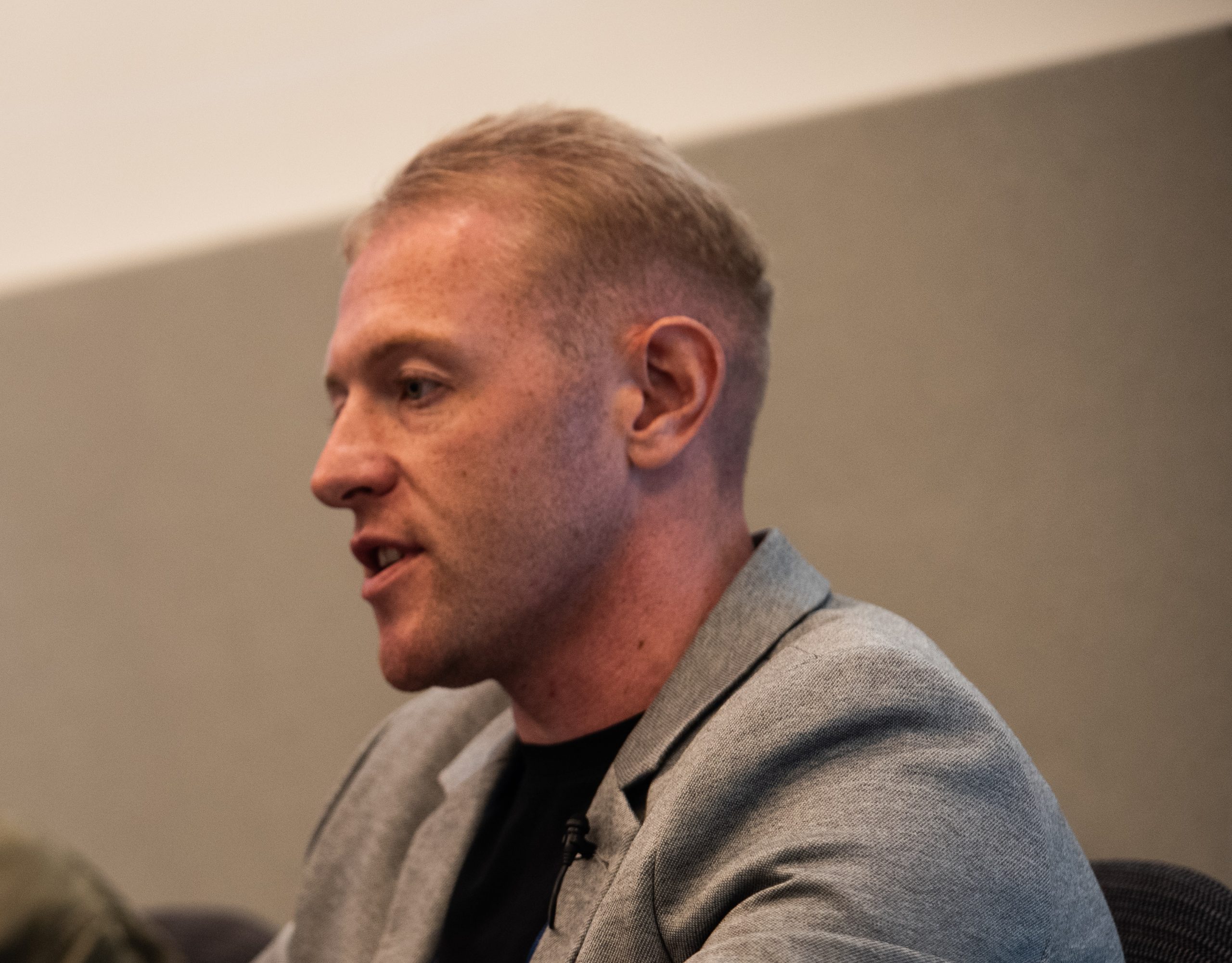
Brian Hudson is managing director of Performance Telecom

Want more like
this to your inbox?
Popular topics
You might also be interested in